
How to fix a Windows (Vista, 7 or 1. The User Profile Service failed the logon There are many annoying things that can happen to your Windows installation, but one of the most irritating faults is a corrupt user profile. Although all of your precious data, from images and video to all your documents and applications remains safe on your hard disk or SSD, this particularly nasty problem prevents you from gaining access to it. It’s signified by the rather worrying message: . The error is fairly easy to fix, and we’ll show you exactly how to do it in this article.
Before you progress, though, it’s worth taking precautions. When repairing any computer there’s always a chance that you could cause further problems, so make sure you carry out regular backups. If you haven’t got into the habit yet, and you can’t get into your computer, it might be an idea to remove the hard disk and save the files to another laptop or PC. As you can't get into your computer, it may be prudent to take its hard disk out and save the files to another computer or laptop. USB disk caddies can be a life saver in this situation, letting you plug your hard disk with the damaged user profile in it, into another computer via USB.
RESTART YOUR COMPUTERThis might sound obvious, but try restarting the system as a first port of call. Windows can occasionally run into problems reading your user profile if you happen to have an antivirus scan running at the time.
Reset your computer and attempt to log in again and you might be able to successfully get in this time. Otherwise, continue below. JUMP TO: Windows 1. SYSTEM RESTOREThere's a chance that you can fix your computer by using System Restore.
To do this, restart your computer and hit F8 to bring up the Windows 7 or Vista boot menu. Choose Safe Mode and boot into Windows.
When you're at the desktop get up a Command Prompt and type in rstrui to load System Restore. Click Next and then choose the restore point by date: pick a date where you know that you computer worked properly.
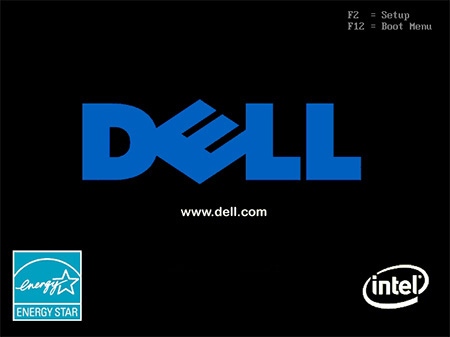
Click Next and Finish to restore your computer. That may fix the issue, but if not, you'll need to follow our advice below. First, you should make a backup of your computer's Registry using Safe Mode first, which we'll show you how to do. BACKUP THE REGISTRYYour first job is to backup the Registry, protecting your computer should the steps fail below. Fortunately, this is an easy job and you don't need to be able to boot into the full OS to do it. Restart your computer and tap F8 after the BIOS POST screen to bring up the boot menu.
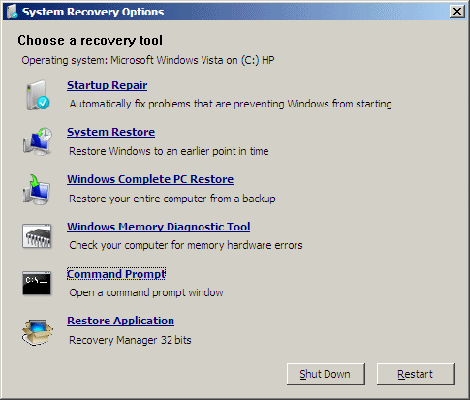
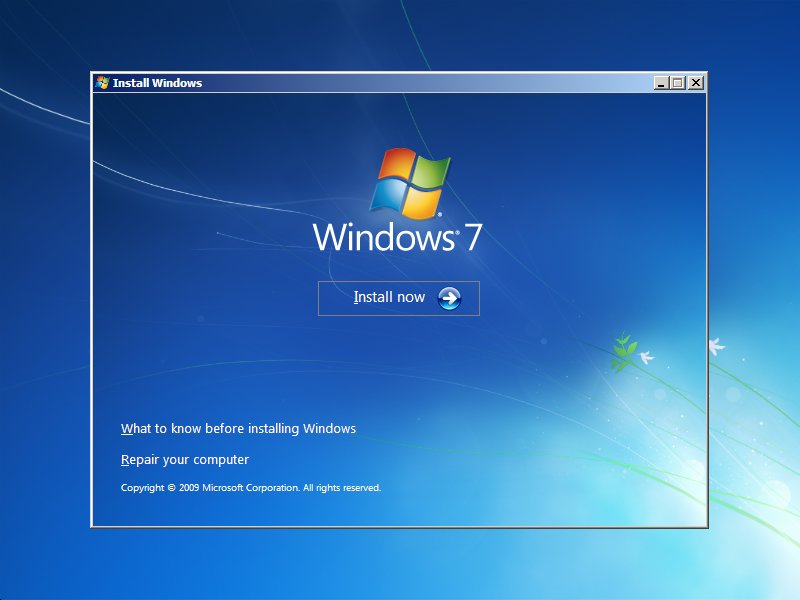
Select Safe mode from the list. Let your computer boot up. You may need to enter your username and password to log in to the Safe Mode Desktop. Normally, you'd be able to backup the Registry by creating a System Restore point, but you can't do this in Safe Mode. Instead click on Start, type Regedit and hit Enter. In the Registry Editor hit File, Export, browse to where you want to save backup, enter a name and click Save. If your computer has a second Administrator account that you can access, you can backup the Registry simply by booting into Windows and creating a new System Restore Point.

Home; Download; Grub4dos Guide. Grub4dos Guide; Grub4dos Internal variables, memory areas, advanced features and function calls; grub4dos utilities; Win8 Dual Boot. The guide is definitely not working when attempting to install Windows 7 on Asus UX32L Neither does the guide with the windows tool. When chosing the USB as Boot. Format disk is necessary before using. Format disk is necessary before using. No matter what operating system you are using, it has a certain way to manage disks, and. My system will only boot correctly if I enable VGA mode. On a regular boot the OEM logo comes up, then the Windows logo, but after that I only get a black screen. Note: We're assuming that the boot drive is drive C: below. If your computer is configured differently, be sure to use the appropriate drive letter here instead. How to Use Boot Camp. Since the release of Apple OS 10.6, Apple computers (Macs) now have the option of running a variety of operating systems, not just Apple OS X.
Click Start, right- click Computer and select Properties. Click System Protection in the left- hand pane, then click the System protection tab and then click Create. Your computer will take a backup of key files and the Registry. Restoring the Registry. If you do have a further problem with your computer after making Registry changes, you'll need to restore everything to its previous settings.
Doing this is pretty easy once you've followed our steps above. Restart your computer and tap F8 after the BIOS POST test messages to bring up the boot menu. Select Safe Mode to boot into the special mode used for recovery.

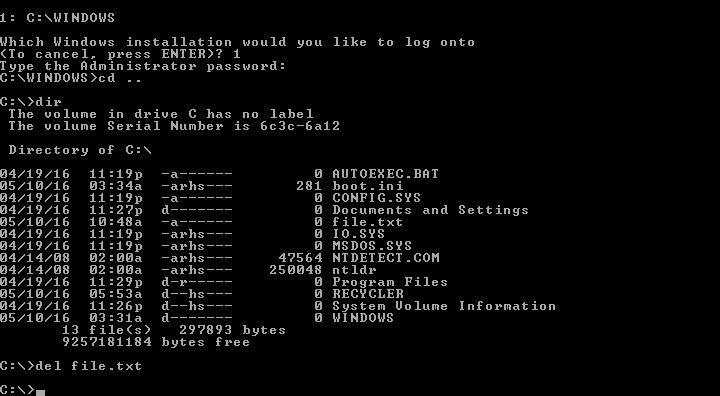
If prompted, select your username and enter your password to log onto your computer. If you created a backup by saving the Registry, browse to the . Registry backup for your computer. Just double- click this file and click OK on the warning dialog box to integrate your old settings into the Registry. When you reboot your computer next you Registry will be back its old settings.


The dreaded message bootmgr is missing still exists today, but luckily there are some easy solutions that can help you to fix your boot manager and launch your.
If you created a backup by creating a new System Restore Point, run System Restore from the Start Menu. Select the System Restore point you created, using the date and time to select the correct one and restore your computer. After a reboot, you'll have the Registry back in its initial state before you made any changes. At this point you'll still have the original corrupted user profile problems, but you can now try following the instructions again (or attempting a different method) in order to recover your computer. You can restore your computer from the Registry backup as many times as you like, so don't worry about further attempts to fix your computer. Be careful of your backup, though, as you can run the file after you've fixed your computer.
If you accept the Registry changes that it will make, you'll just break your computer and corrupt your user profile, forcing to fix it again. FIX A CORRUPTED USER PROFILE METHOD 1 - CREATE A NEW ACCOUNTCreating a new account means that you don't have to edit the Registry and can avoid more potential damage.
It's not such a clean fix, though, so if you're more confident about using Windows, read Method 2 below. STEP 1 - ENABLE HIDDEN ADMINISTRATOR ACCOUNTThe easiest and safest way to fix the problem is to create a brand new account and copy over your old files and settings. However, you can only do this if you've got another user account on the computer with Administrator settings. If you have, just boot your computer as normal and skip to Step 2. If you haven't got another account, you need to enable the hidden Administrator account.
Boot into safe mode, as above. Click Start, type 'cmd', then right- click Command Prompt and select Run as Administrator. In the command prompt type: Net user administrator /active: yes. Hit Enter and you should see a message that says, . Instead, select either the hidden Administrator account, as enabled in Step 1, or another account on your computer that has admin access. STEP 3 - CREATE NEW ACCOUNTOpen Control Panel from the Start Menu and select User Account and Family Safety, then click User Accounts. Click Manage another account, then click Create another account.
Enter a name for your new user (it must be different to the old one, although you can rename later). Make your new account an Administrator, and click Create Account.
STEP 4 - COPY OLD DATAYou now need to copy all of your old data to your new account. First, click Start and choose Switch account. On the Login screen, click your new account to log in to it for the first time (if you don't do this, the user folder won't be created).
When you're at the Desktop, log off and log into the Administrator account you used in Step 2. Use Windows Explorer to go to your old user's folder, which is most likely c: Users. Press Alt, click Tools and select Folder Options.
Click View and make sure you've selected 'Show hidden files, folders, and drives'. Deselect 'Hide protected operating system files (Recommended)'.
Click OK. Select all files in this folder, except the ones that start Ntuser. Ntuser. dat. log, Ntuser. Press Control- C or select Copy from the Edit menu (if you don't see the menu press Alt first). Browse to your new user's folder (most likely c: Users). Press Control- V or select Paste, or select Paste from the Edit menu (press Alt if you don't see this menu). Log off and then back on as your new user. All of your files and application settings should have come across, although some email applications may have to have messages re- downloaded or their data exported separately (see the manufacturer's help).
When you're sure that you've got everything, you can delete your old user and their files, and rename your new user account. Don't forget to go back into Safe mode and disable the Administrator account, using the following command: Net user administrator /active: no.
METHOD 2 - EDIT THE REGISTRYThis method has the potential to cause more harm, so it's best followed only by more advanced users. Remember to backup your Registry following the instructions at the start of this article. STEP 1 LAUNCH REGEDITRestart your computer and boot into Safe Mode, following the instructions at the start of the article. Click on the Start menu, type Regedit and hit Enter to start the Registry Editor. Using the left- hand panel, browse to HKEY. You'll see some folders with the name starting S- 1- 5 followed by a long number. Click on each one in turn, then in the Main Window look at the Profile.
Image. Path and make sure it's the account with the problem. This is the name of the user folder and contains the name of the username it relates to. If you have two folders for your username, and one ends in . Rename the folder with . If you have one folder with a . STEP 2 - CHANGE REFCOUNTSelect the folder with the .
Window double- click Ref. Count. Change the Value data to 0, then click OK.
Close the Registry Editor and Restart your computer, and you can now login to your existing account. If you have further problems, you can restore your original Registry settings following the instructions at the start of this article, then follow Method 1 to repair your corrupted user profile. WINDOWS 1. 0 FIXIf you've encountered the 'User Profile Service failed the logon' error in Windows 1.
Windows 1. 0 system. All you need to do is copy the 'C: \Users\Default' folder from a second, non- problematic PC over to your problem PC and pasting it in the same location. Rename the existing folder on your problem PC to something else, just in case you ever need to revert back for any reason. To access the 'Default' folder on your second PC you'll need to turn on hidden files by clicking 'View' in the folder toolbar and selecting 'Hidden items'.


/http%3A%2F%2Fexnol.com%2Fwp-content%2Fuploads%2F2008%2F07%2Fmy-computer-drive-icon-vista.jpg)
/http%3A%2F%2Fdownloads.windowstheme.ru%2Fimages%2Fthumb_windows_vista_vs.jpg)
/http%3A%2F%2Feastchulavistahomes.com%2Fwp-content%2Fuploads%2F2017%2F03%2Fcortebelmarina-1.jpg%3F6f57f7)
/https%3A%2F%2Fi.ytimg.com%2Fvi%2FcokepnuxmOM%2Fhqdefault.jpg)